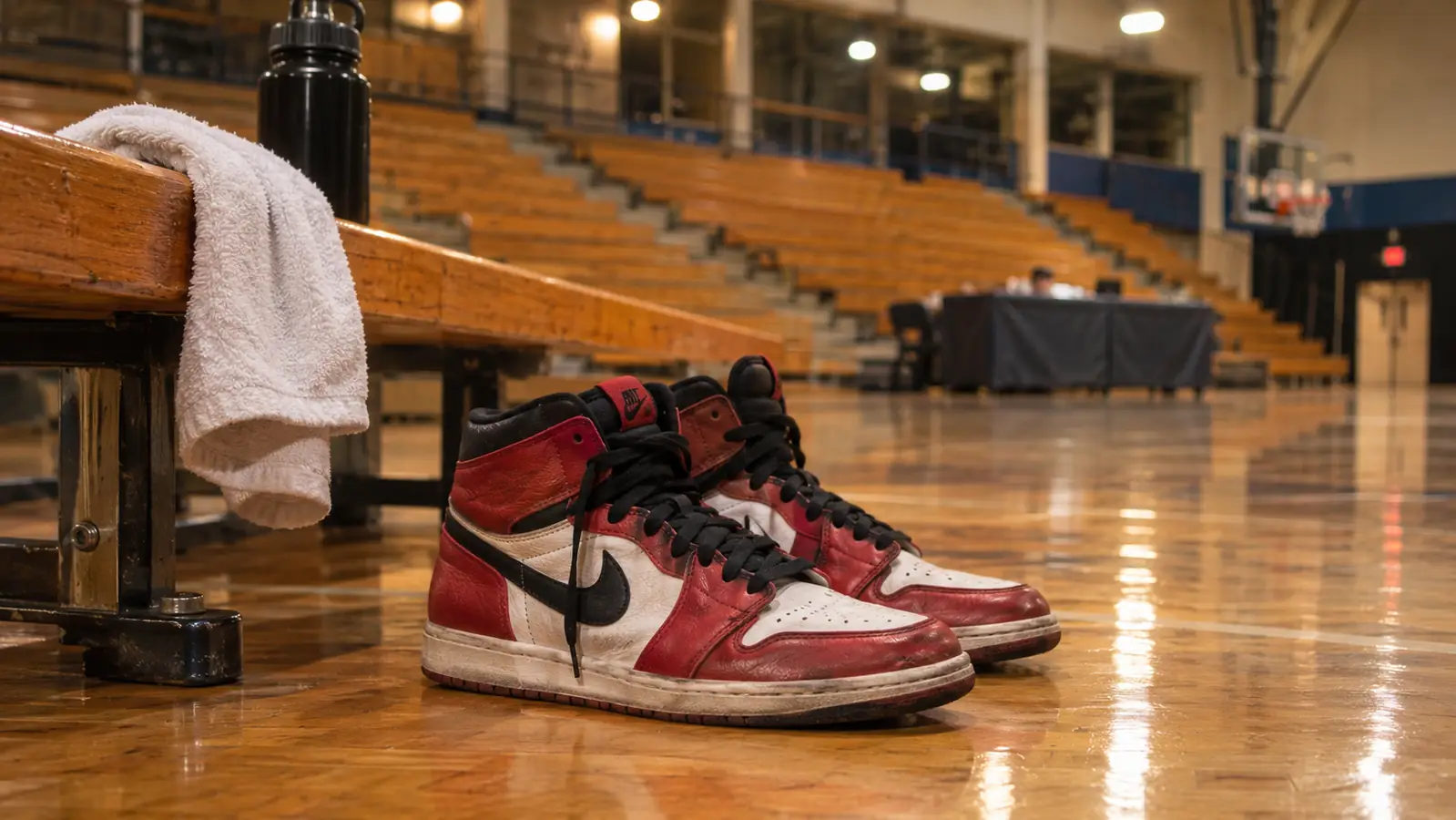
Fourteen months ago I came out of a Sunday morning men's league doubleheader with a hot spot on the outside of my left forefoot that took two days to settle down. Same story every week before that. Standard-width shoes felt fine in the first quarter and felt like a vise by the fourth. I have a slightly wide forefoot and I wear a men's 11.5, which is not an unusual combination, but it is one the standard-width shelf quietly ignores. In September 2025 I bought the FitVille Wide Basketball Shoes in an extra wide to see whether more room would fix it. It did, mostly. The parts it did not fix are the reason this comparison is worth your time.
Here is the short answer. The FitVille Wide wins on forefoot room, ankle coverage, and how it treats a wide foot late in a long night. Standard-width models win on lockdown, break-in, and court feel. If your feet are average width, stay where you are. A roomy shoe on a narrow foot slides, and a foot sliding inside a shoe is how ankles go. If you have spent years buying your normal size and still get that pinch across the ball of the foot, the FitVille is the fix, and my three standard-width pairs are the control group I measure it against: an adidas Own the Game 3.0, an Under Armour Lockdown 7, and a Nike LeBron Witness 8. All four are men's 11.5, all four see the same dusty rec center floor, and I wear the FitVille on Sunday and the standard pairs on Tuesday and Thursday.
| FitVille Wide | Standard Width (my pairs) | |
|---|---|---|
| Width options | Wide and extra wide, built on a wide last | Standard width only |
| Forefoot room late in a long night | Still room across the ball of the foot in the fourth game | Pinch sets in around the third |
| Midfoot lockdown | Good, but wants steady lace tension | Tighter hold with less lace work |
| Ankle coverage | High-top with ankle support built into the cut | Lower cut on the pairs I own |
| Break-in | About a week of evenings | Playable the first night |
| Underfoot cushioning | Moderate to high, foam insole | Varies by model and by how worn the pair is |
| Wearing a lace-up ankle brace inside | Enough room that the brace does not press the forefoot | The brace eats room the shoe needed |
| Court feel | Taller and boxier underfoot | Closer to the floor |
| Fit for an average or narrow foot | Too much shoe, foot can shift | Correct from the first lace-up |
Where the FitVille Wide Wins
The obvious one is room. FitVille builds this shoe in wide and extra wide, and I went extra wide because a wide width in another brand had already failed me. What that buys you is not just a wider platform. It is a forefoot that is still a forefoot in the fourth quarter instead of a cramped fist. In my standard-width pairs I can feel the outside of the shoe against the base of my little toe by the third game of a Sunday doubleheader. In the FitVille I feel the shoe, but I never feel it pressing. That is the entire reason I bought them, and it is why they are still in the rotation fourteen months later, worn about once a week, not worn out.
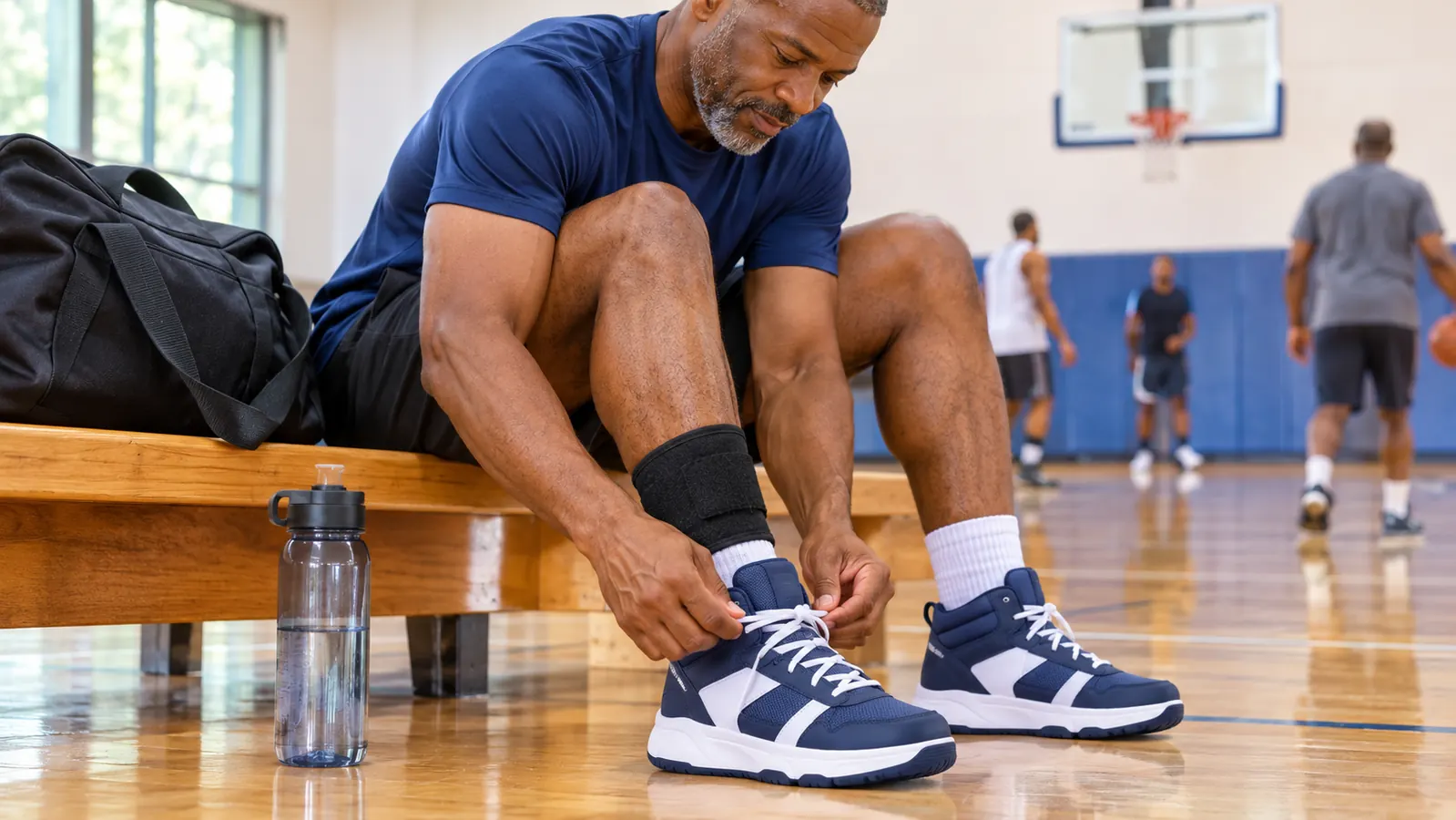
Second is ankle coverage. This is a high-top with ankle support built into the cut, and I am a person who cares about that. I rolled my left ankle badly about ten years ago and I have worn a McDavid lace-up brace on that ankle in every game since. In a standard-width shoe, the brace takes up room the shoe did not have to spare, so the laces come tighter and the forefoot gets squeezed harder. In the extra wide FitVille the brace goes in and the shoe still has room to close around it. I have not rolled that ankle since I started wearing the brace, and the FitVille is the one shoe in my bag that makes the brace feel like part of the fit instead of a compromise.
Where Standard Width Wins
Lockdown goes to the standard-width pairs and it is not close. My Under Armour Lockdown 7 and adidas Own the Game 3.0 hold the middle of my foot with less lace tension, and that matters when you are cutting. When a shoe is roomier than your foot needs, your foot can shift inside it on a hard stop and you feel the shoe catch up to you a beat late. With the FitVille I lace a little tighter than I do in the standard pairs and I check the laces at halftime, which I never do in the Lockdown 7. If your foot is average width, that trade is not worth making for you.
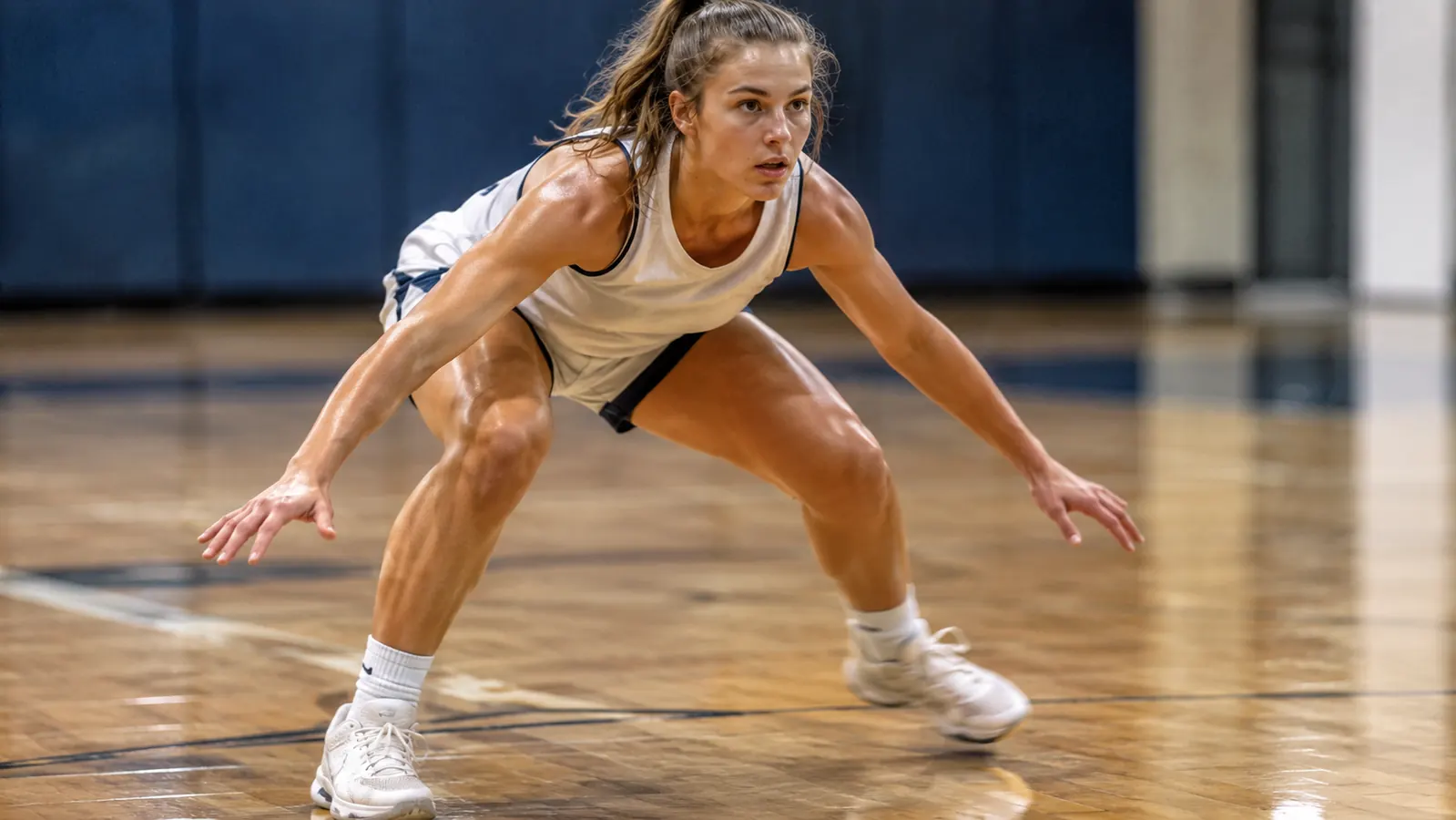
Break-in and court feel also go to the standard side. My standard-width pairs felt playable the first night. The FitVille took about a week of evenings before the upper softened enough that I stopped thinking about it, and even now it sits taller and boxier underfoot. On defense I feel the floor less. Some players want that coverage and cushion. If you are a guard who lives on quick lateral slides and wants the hardwood right under your foot, a wide high-top is going to feel like more shoe than you asked for, and that is not a flaw, it is a different job.
If buying your normal size keeps ending in a pinch across the ball of your foot, start here
Same gym, same dust, same men's 11.5. The extra wide FitVille is the only pair in my rotation that never develops a hot spot on the outside of my forefoot, and it is the only one that fits a lace-up brace without squeezing.
Amazon Check Today's Price on Amazon →The Fit Test I Run Before I Trust a Shoe
The test I run is the same one I would tell a friend to run in the store. Lace them the way you actually play, not the way you tie them for the drive home. Walk the length of the court twice. Get into a defensive stance and slide left for ten steps, then right. Do two jump stops. Then stand still for a minute and pay attention to the outside of your forefoot and the top of your toes. If either one is talking to you after ninety seconds, that shoe is not going to survive a full night.
On my standard-width pairs that test is quiet for the first few minutes and then the outside of my left forefoot starts to hum. By the fourth game of a Sunday doubleheader it is a spot I can find with one finger without looking down. On the FitVille the test is quiet and it stays quiet. The shoe feels bigger than my foot in a way that took some getting used to, but nothing presses anywhere. That is the whole difference in one sentence. Standard width fits me until it does not, and the extra wide FitVille never gets to the point where it stops fitting.
One note on the floor itself. My rec center hardwood is dusty by the second game of the night no matter what anyone does, so I wipe my soles on my forearm every dead ball in every shoe. The dust is the variable, not the shoe. What I will say is that the FitVille has never felt vague or slick to me on that floor, and I have never stopped a cut because of it, which is as much as I can honestly claim about grip in a gym like mine.
By the fourth game of a Sunday doubleheader my standard-width pairs had me thinking about my foot. The FitVille is the first shoe in years where I did not.
Sizing, the Ankle Brace, and the First Week
I wear a men's 11.5 in every brand and I stayed at 11.5 here, in the extra wide. If you have never bought a wide shoe, understand that extra wide is a real jump and not a nudge. My advice is simple. If standard width gives you a pinch across the ball of the foot but your heel is not sliding, go wide first, and only go extra wide if a wide width has already failed you. That was my situation. The lace-up closure gives you room to take up slack through the midfoot and I use it, snug through the bottom two eyelets and firm through the middle, looser at the top so the collar does not dig in.
The brace question is the one I get asked most, because half the men in my Sunday league wear something on an ankle. The McDavid lace-up brace goes into the extra wide FitVille without a fight. In my standard-width pairs I can get the brace in, but the shoe has nothing left to give and the forefoot takes the squeeze. If you wear a brace and you have a slightly wide forefoot, this is the pairing that works for me, and it is the reason the FitVille is my Sunday shoe and not a spare in the bottom of the bag.
What Still Bugs Me After Fourteen Months
Two things still bug me. The first is how much shoe it is. This is a high-top, and the coverage that helps my ankle also means I notice the collar when I am tired and lazy with my footwork late in the second game. On a night when my legs are gone, a lower-cut shoe is one less thing to think about. The second is the break-in. A week is not much, but it is a week more than my standard pairs asked for, and if you buy these the night before a season opener you will feel every bit of that week.
The third thing is not a complaint so much as a rule. These shoes are not water resistant, and I would not treat them like an outdoor shoe. My summer park court is asphalt and it holds moisture for a day after a rain. I keep the FitVille indoors for league play and let the LeBron Witness 8 take the outdoor nights. Fourteen months in, at roughly once a week, the pair is still in the rotation and not worn out. For a rec player paying his own way, that is the number that actually matters.
Who Should Buy Which
Buy the FitVille Wide if your forefoot is the problem. Slightly wide feet, a bad ankle in your history, a brace that has to live inside the shoe, or an extra wide fit that no standard-width model has ever given you. The room and the high-top cut are doing real work in that case. Buy standard width, or keep the pair you already own, if your feet are average or narrow and your complaint is something other than room. A roomy shoe on a narrow foot slides, and a sliding foot is worse than a snug one every time. If you are shopping for a teen, measure first. My son Jalen wears a 10 and his feet are still moving, so I would not put him in a wide last until a standard width actually pinched him.
The honest summary is that these shoes solve one problem and solve it well. They are not the lightest, quickest, closest-to-the-floor option and I would not pretend otherwise. If you want a shoe that disappears on your foot, a wide high-top is the wrong tool and you should stay in a standard width. If you want to stop thinking about your forefoot in the third quarter, put the FitVille on the Sunday list and see what a full doubleheader feels like when nothing is pressing.
If a lace-up brace has to fit inside your game shoe, this is the one that gives it room
Fourteen months of Sunday league at about once a week, still in the rotation. FitVille wide and extra wide, high-top with ankle support, lace-up closure, moderate to high cushioning from a foam insole.
Amazon See Current Price on Amazon →